
The most proactive outsourced marketing company we've ever used. Thanks for being both creative and also implementing/executing fast to get tangible results 👍

Rodney Doven
Asset building Systems
POWERING WHAT’S NEXT
Build confidence in your offer. Reach customers considering solar and batteries, and keep the conversation going through to installation.
Clients we work with
EXPERIENCE IN YOUR INDUSTRY
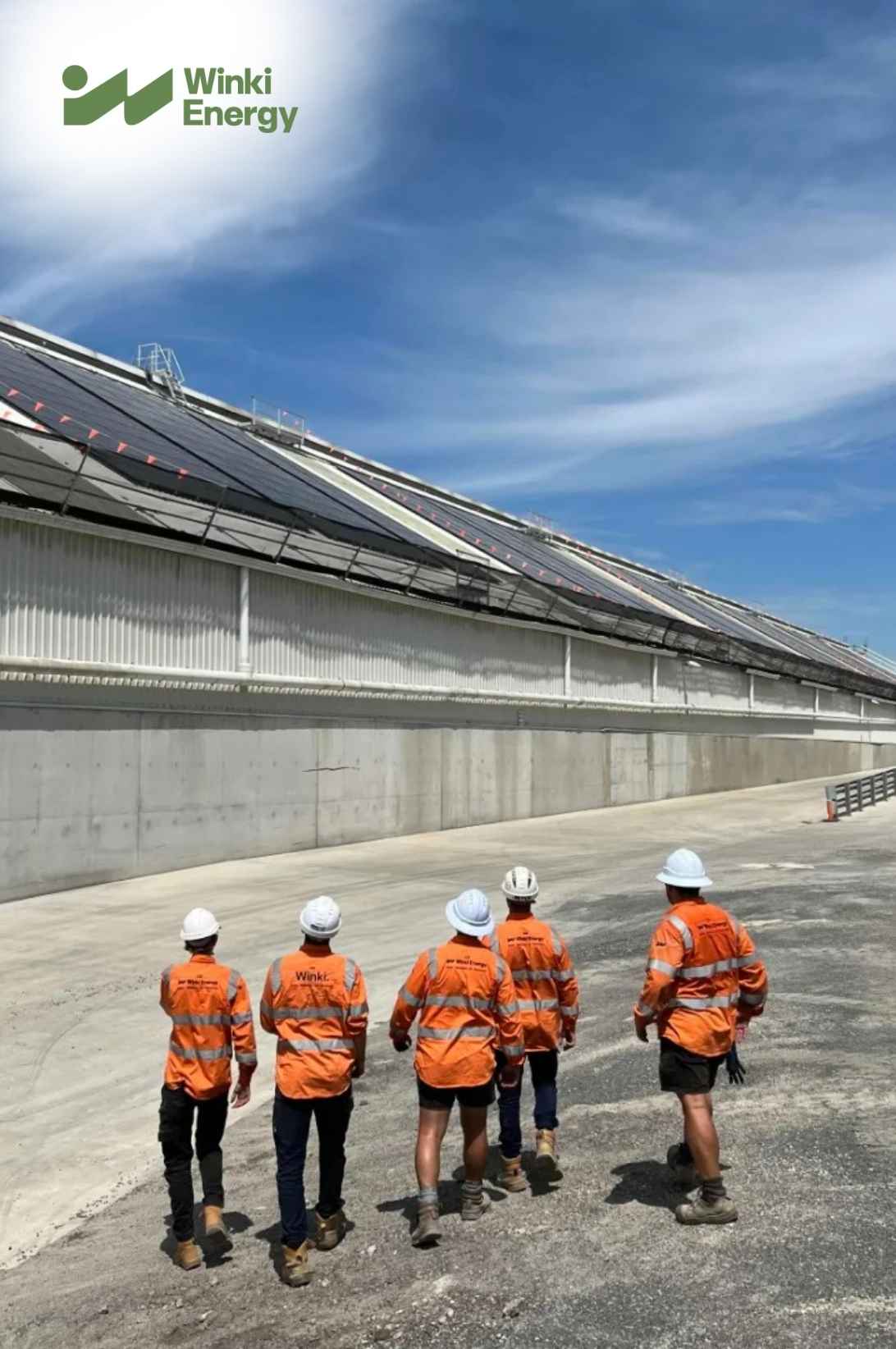
Advertising, a rebuilt website and tracking brought a new inbound lead strategy to life.

A brand transition and domain migration that protected organic visibility.
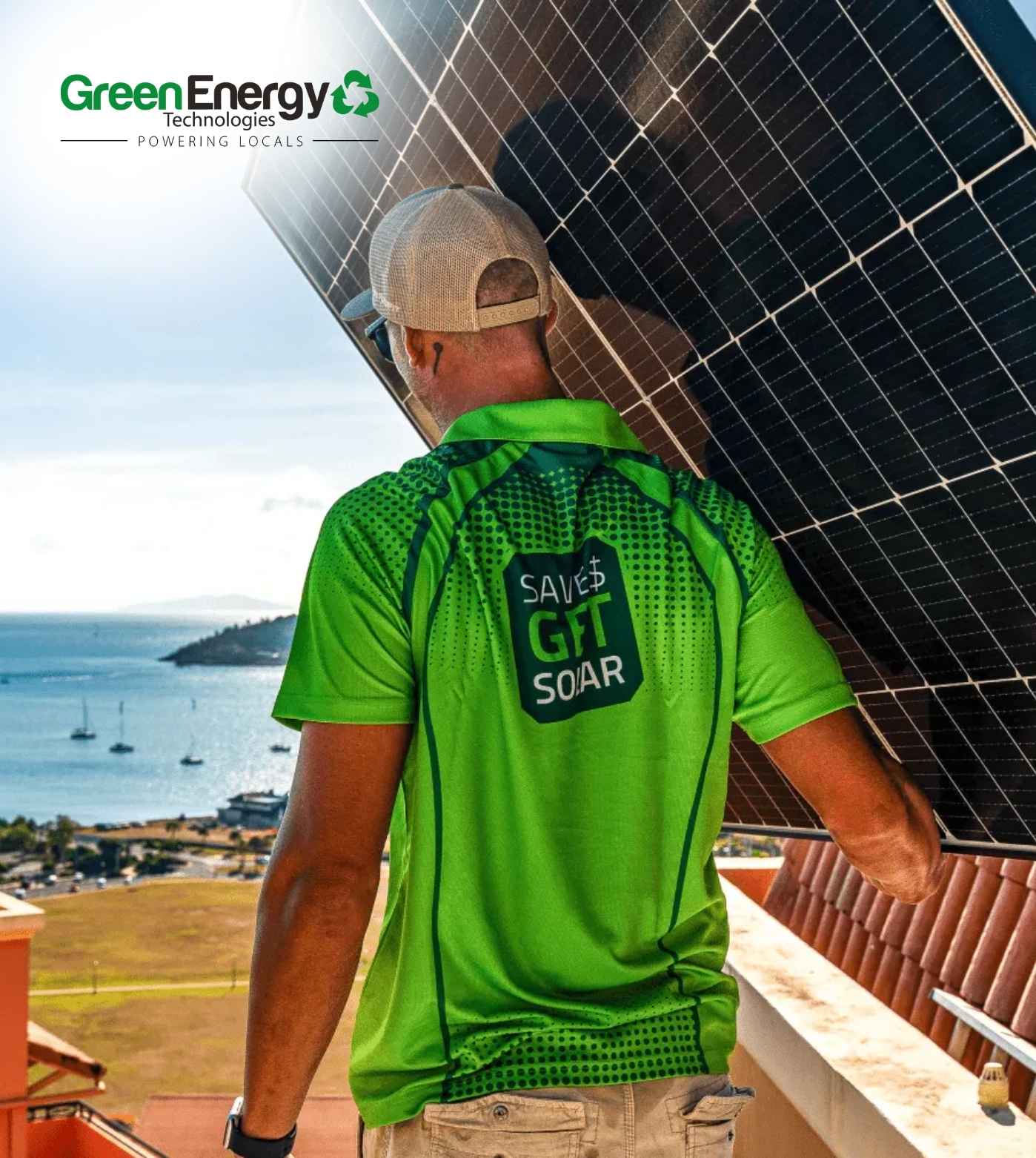
Search and social campaigns built around qualified enquiries and clearer attribution.
FROM THE PEOPLE WE WORK WITH
The most proactive outsourced marketing company we've ever used. Thanks for being both creative and also implementing/executing fast to get tangible results 👍
Asset building Systems
An excellent company to work with for both digital marketing and web development. Their team consistently demonstrates strong expertise, proactively suggesting improvements and making ongoing adjustments to deliver the best possible results.

Allshelter
We’ve been working with XO Digital for nearly a year, and the results speak for themselves. They have done an outstanding job, and their team truly understands how to drive online search performance and deliver real outcomes. I highly recommend them to any business that is serious about search engine success.

Packserv
Excellent service and transparency. XO really feel like a partner that has our best interests at heart not an agency trying to rinse us for every dollar they can. Technically very sound and helped get our Hubspot into shape and manage our Google Ads account

Winki Energy
X/o Digital have doubled my appointments in a matter of 30 days. Highly recommended for google ads and SEO.

Lumi Lash & Co
X/o has been fantastic. The team has been able to get me ranking on page one for multiple cities in an industry that is extremely competitive. I can't recommend them enough!

DWLF
Highly recommended! They offer unlimited advice and suggestions to enhance the overall marketing performance of a business. They take complete ownership of the success of each campaign, truly dedicated to achieving remarkable results.

Nodd Solutions
Choosing XO Digital as our web development partner has been a game-changer for our business. Zyran and team are not only incredibly responsive but also exhibits a genuine commitment to understanding our unique needs, something we had struggled to find in previous partnerships. From the outset, XO…

PSC
XO Digital has completely transformed our approach to Google Ads. Previously, we were spending money with little to no results for months. However, once XO Digital took over, we saw a dramatic shift. They delivered great results in a remarkably short time frame, changing the game for us. Will…

Integrated Chiropractic
I am continuously impressed by the exceptional service we receive from XO Digital. They proactively manage our entire marketing portfolio, from website oversight to coordinating all marketing channels. It’s a relief having one dedicated person seamlessly handle everything. XO Digital consistently…

Zgrada Pools
WHAT WE UNDERSTAND ABOUT SOLAR
Solar is one of the few industries where the price a household pays is set by a federal scheme, a state scheme, a postcode and a calendar date. Most of what decides a month’s result is decided before the ad is written.
Almost every residential quote is presented after small-scale technology certificates have been assigned to the installer, so the customer only ever sees the discounted figure. Advertising that treats it as a separate “rebate offer” muddles the quote and invites price shopping. We write to the out-of-pocket number and the payback, and keep the scheme explanation on a supporting page for people who want the detail.
Cheap enquiries are easy to buy. The ones worth a site inspection are owner-occupiers with a bill big enough to justify a system, a roof that suits and a reason to move this quarter. We measure cost per site inspection and cost per install rather than cost per lead, and we expect fewer enquiries in return for better ones.
Most installers buy enquiries from lead brokers, so the household has been sold to two or three other companies before anybody calls them. The conversation opens on price and the margin goes with it. Leads from channels you own, your ads, your search terms and your own site, can belong only to you. Answer first, communicate clearly and give people a quote they trust, and you are setting the price rather than matching someone else’s.
Battery marketing changes with whatever the brand is running that month. When Sigenergy took a thousand dollars off each battery pack, a stacked system carried three to four thousand in brand discount before the federal rebate, and the household saw seven or eight thousand off the quote. Those promotions start and stop, the federal scheme has its own timetable, and the brand you stock shapes the enquiries you get as much as the discount does. The warmest battery list in the business is the solar customers you installed three years ago.
THE DETAIL THAT DECIDES THE RESULT
Five things move a solar result more than creative does. Each is checked on a schedule, not when somebody remembers.
Small-scale technology certificates are created up front for the electricity a system is deemed to produce between installation and the end of the scheme in 2030. Every 1 January that deeming period shortens by a year, so the same system earns fewer certificates and the household’s up-front discount falls. The certificate price floats with the market on top of that.
We treat the step-down as the year’s one honest deadline. Quotes are modelled on both sides of it from October, ad and landing-page copy is rewritten before the change, and the summer campaign says what the discount actually becomes rather than implying rebates are ending. The assumed certificate value behind any advertised price is re-checked each quarter so the page never promises something the sales team cannot honour.
Battery discounts are delivered through the same certificate mechanism and carry conditions: eligible equipment, accredited installation and, in most cases, a battery capable of joining a virtual power plant. State schemes sit on top of the federal one and change more often.
We keep one eligibility sheet per client and state, and the ad points at the figure a household can genuinely claim. Where a state scheme has an application step or an eligibility test, the landing page says so above the form. That removes the “I thought this was free” conversation from the sales call.
A renter, an apartment or a household with a small quarterly bill will not convert, however good the ad is. Solar wastes more media budget on unqualified enquiries than any industry we work in.
Qualification happens in the form, not in the sales call: ownership, bill range, roof type and timeframe. We target owner-occupier areas and roof stock rather than a broad radius, and exclude the suburbs that have historically quoted and never proceeded.
Households request several quotes in one sitting, and the first accredited retailer to call usually gets the site inspection. After that, the weeks between deposit, grid approval and install are where jobs quietly die.
Enquiries hit the CRM with the call task first and the email second, and response time is reported as a campaign metric. Past deposit, an automated sequence keeps the customer informed through approval and scheduling, so the job is still there at the end of the wait.
A finished install is the cheapest marketing a solar business owns, and it is usually the part nobody runs. The crew packs up, the invoice goes out, and the review, the referral and the battery upgrade are never asked for.
Completion in the CRM starts the sequence. A review request goes out while the customer is still pleased with the job, a referral ask follows once the first bill has landed, and the household joins an email list that stays warm for batteries, extra panels and the next scheme change. None of it is manual, and it feeds the same pipeline the ads do.
HOW WE RUN A SOLAR ACCOUNT
Solar demand is seasonal and scheme-driven, so the account runs on a calendar as much as on a dashboard. The front end brings new households in. The back end turns finished jobs into the next ones.
Scheme values, deeming periods and state incentives change. Every figure quoted in an ad or on a landing page is checked against the current rules before a campaign runs, and again at each step-down.
WHAT THE WORK TAUGHT US
Three things we got wrong in solar, and what we do instead.
Early campaigns were judged on lead volume, which pushed budget towards the cheapest form fills. The sales team spent its days on renters, apartments and small quarterly bills, the close rate fell, and the dashboard still looked healthy.
Campaigns are optimised to qualified enquiries and installs. We accept a higher cost per lead when the lead is an owner-occupier with a real bill, and we report both numbers side by side so the trade-off is explicit.
Scheme deadlines are genuinely useful, but urgency copy that implied the discount was disappearing entirely was inaccurate and corrosive. Enquiries arrived sceptical, and sales calls opened with a correction.
We only run a deadline when there is one, we state what changes and roughly by how much, and the landing page explains the scheme in plain terms. It converts slightly lower and closes considerably better.
When battery demand lifted we built campaigns for a “battery customer” and spent months paying to reach people who already had solar on the roof, including our own clients’ past customers.
Battery work starts with the client’s existing customer list and past installs, then extends to new households. The database is the cheapest battery channel a solar retailer owns.
WHERE WE SIT
There are cheaper ways to buy solar leads than working with us. There are very few ways to build demand a competitor cannot buy out from under you.
Aggregators and resellers always beat that number, because they sell the same household several times. We build the channel that belongs to you: your brand, your data, your remarketing audiences, your customer list.
The work depends on being able to make honest claims about accreditation, warranty and install quality. Where delivery cannot support the promise in the ad, the marketing fails first and loudest.
In solar, most of the lost revenue sits between the enquiry and the install rather than inside the ad account. We hold the whole path, which is why we ask about your sales process before we quote.
Accredited retailers and installers with their own crews or dependable subcontract capacity, a system value that supports a real marketing budget, and someone who answers the phone quickly.
Businesses buying shared aggregator leads and hoping for volume, anyone who needs enquiries this week with no follow-up behind them, and any savings or payback claim we cannot substantiate.
LET’S START WITH YOUR BUSINESS
Tell us where you are, what you’d like to improve and how you’re currently investing in marketing. We’ll review the details before discussing the right next step.

Having trouble with the form? Open our contact page.
LET’S MAKE YOUR NEXT MOVE COUNT
Tell us where you want to go. We’ll talk through how to get there.
Start a conversation